Master the Reverse Sear Method for Perfect Steaks
If you want steak that’s perfectly pink from edge to edge with a deep, golden crust, the reverse sear method is a reliable way to achieve that result. Instead of searing first and finishing in the oven (the classic steakhouse approach), this method slowly brings the steak to your ideal doneness in the oven and then finishes with a quick, high-heat sear for a beautifully crisp exterior.
Whether you’re cooking ribeyes, tomahawks, or a thick New York strip, reverse searing gives you control over internal temperature and crust development. While the technique borrows some logic from sous vide, it’s easy to do in a standard home kitchen.

What are the Best Steak to Reverse Sear?
The reverse sear method works best with thicker, heavier cuts of steak. Generally speaking, the thicker and denser the steak, the better it responds to the slow, low-heat cooking process in the oven. Thin steaks tend to dry out and don’t benefit from this method.
Ideal candidates for reverse searing from the Snake River Farms lineup include:
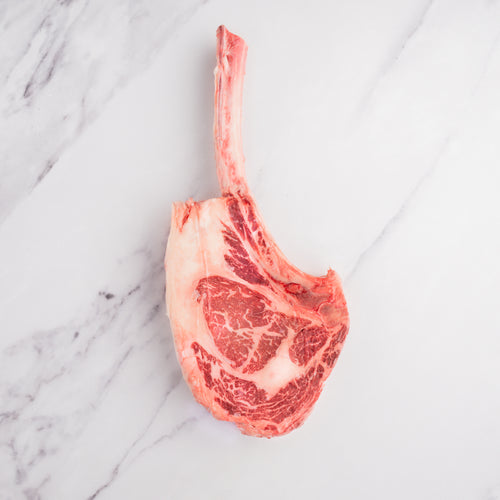
- Tomahawk steaks
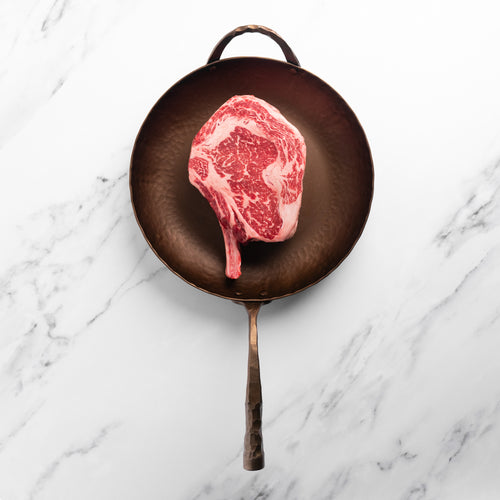
- Cowboy ribeye steaks
- Porterhouse steaks
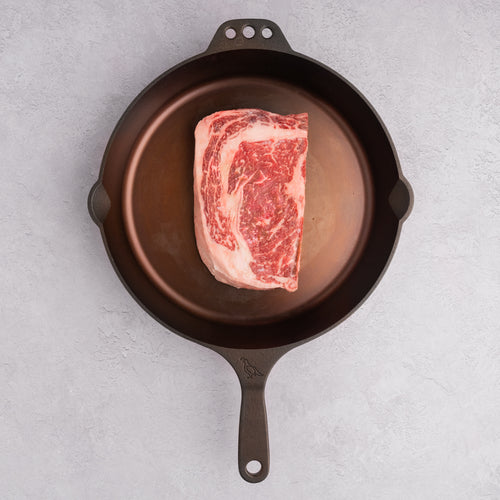
- Ribeye steaks (the thicker, the better)
- New York strip steaks (great when they’re at least 1.5 inches thick)
These cuts are thick enough to maintain moisture and texture throughout the oven cooking stage, then develop a perfect crust when finished with a quick sear in the pan.
For more information on selecting the right steak for your cooking method, check out SRF Steaks – Cut to Thickness, Not by Weight.
Get the steak you want, your way! Watch this quick video to see how Snake River Farms lets you choose your perfect grade and thickness, whether it’s American Wagyu or USDA-grade beef. Watch now.

How to Reverse Sear a Steak: Step-by-Step
Ready to master the reverse sear method? Here’s a simple, step-by-step guide to help you cook a perfect steak, every time.
-
Preheat the Oven & Season the Steak: Heat oven to 275°F degrees. Season steak with salt and pepper. Cover a baking sheet with foil and place a metal rack in the middle. The idea is to elevate the steak from the pan.
-
Cook the Steak in the Oven: Place the pan, rack and steak in the oven. Bake until the steak reaches the temperature that matches your preference, using your fast-read thermometer to check the center of the thickest part of the steak.
Rare - 120°F degrees
Medium-rare - 125°F degrees
Medium - 130°F degrees
Depending on your oven, steak size and preference, this can take up to 60 minutes, but begin checking the internal temperature at 10 minutes.
-
Rest the Steak: Once your steak hits your desired target temperature, remove it from oven, loosely cover with foil and allow to rest for 10 to 15 minutes.
-
Sear the steak: Add a light coating of high smoke point oil 9 1 to 2 tablespoons) to a heavy skillet (cast iron is ideal) and heat over high heat until hot. Sear steak on each side for 60 to 90 seconds to form a beautiful crust.
- Serve and Enjoy: Remove the steak from the pan and let it rest (again) for a few minutes before slicing and serving. Enjoy your perfectly cooked steak, and remember—you just mastered the reverse sear method!
Want to see the reverse sear method in action? Watch our step-by-step guide to perfect your steak searing technique. From oven to skillet, we’ll show you how it’s done. Watch now.
Reverse Searing on the Grill
This method works wonderfully for those who want to add a smoky flavor to their steak while achieving that perfect edge-to-edge doneness.
Here’s how to do it:
-
Set Up Your Grill for Indirect Heat
For charcoal grills, pile the coals on one side, leaving the other side empty for indirect heat. For gas grills, turn on one burner to medium-low heat. This setup allows you to cook your steak slowly over low heat first, mimicking the oven stage of reverse searing.
-
Cook the Steak Over Indirect Heat
Place the steak on the cooler side of the grill (indirect heat) and close the lid. Use a fast-read thermometer to monitor the internal temperature. For medium-rare, aim for 125°F before searing. Depending on the thickness of your steak, this will take anywhere from 20 to 45 minutes. Be patient — slow cooking is key for a juicy steak.
-
Sear Over Direct Heat
Once the steak reaches your desired internal temperature, move it to the hot side of the grill (direct heat). Sear the steak for 1 to 2 minutes per side until it forms a golden-brown crust.
-
Rest and Serve
Let the steak rest for 3–5 minutes to allow the juices to redistribute before slicing and serving.
Want to see reverse searing on the grill in action? Watch our step-by-step guide to perfect your grilling technique. From indirect heat to that perfect sear, we’ll show you how it’s done. Watch now.

Reverse Searing Isn’t Just for Beef — Try It with Kurobuta Pork
Once you’ve mastered reverse searing with beef, Kurobuta pork is the natural next step. Its rich marbling and deep, savory flavor respond beautifully to the low-and-slow oven stage and the final high-heat sear.
These cuts shine with a reverse sear:
-
Kurobuta Double Bone Pork Chop
The thickness of this chop makes it ideal for low-and-slow cooking before finishing hot in a cast-iron pan.
-
Kurobuta Rack of Pork
A holiday-worthy centerpiece that turns out exceptionally juicy when cooked with a gentle oven heat and a quick high-heat finish.
A reverse-seared pork chop or rack delivers the same benefits you get with steak — edge-to-edge doneness and a crisp, golden crust. If you’ve mastered the technique with beef, Kurobuta pork is the natural next step.

Try the Reverse Sear Method with These Chef-Tested Recipes
If you’re ready to put your reverse-sear skills to work, the best way to learn is by cooking. These SRF recipes showcase how the method transforms thick, high-quality cuts into unforgettable meals.
-
Reverse Seared Cowboy Steaks with Chimichurri
Big, bold flavor meets the perfect medium-rare finish. The reverse sear keeps the cowboy ribeye tender while the chimichurri adds bright herbal contrast. Make it now: Reverse Seared Cowboy Steaks with Chimichurri
-
Reverse Seared Tomahawk with Lemon Basil Salsa Verde
A dramatic centerpiece cut, cooked to perfection and finished with a fresh, citrus-herb salsa verde that cuts through the richness beautifully. Make it now: Reverse Seared Tomahawk with Lemon Basil Salsa Verde
-
Reverse Seared Wagyu Tri Tip with Smoked Brown Butter
Lean meets luxurious. Reverse searing keeps tri tip juicy and the smoked brown butter delivers deep, nutty flavor that elevates every bite. Make it now: Reverse Seared Wagyu Tri Tip with Smoked Brown Butter
-
Reverse-Seared Rack of Pork with Creamy Wild Mushroom Brandy Sauce
A stunning pork roast that turns silky and tender with the slow-heat method, then finishes with the most decadent mushroom-brandy cream sauce. Make it now: Reverse-Seared Rack of Pork with Creamy Wild Mushroom Brandy Sauce

You’re Ready to Reverse Sear Like a Pro
When you understand temperature — not timing — you can cook a perfect steak or chop every single time. The reverse sear gives you complete control and delivers the flavor and texture you expect from a high-end steakhouse.
If you’re ready to try it, start with a thick American Wagyu ribeye or a Kurobuta Double Bone Pork Chop and taste the difference for yourself.
Want more tips on perfecting your steak? Check out our Guide to Cooking the Perfect Steak for expert advice on selecting, seasoning, and cooking the perfect steak every time.